
To get prescription drugs in America, you often have to spend an egregious amount for each refill, especially if you don’t have health insurance. Medicare Part D, also known as Medicare drug coverage, aimed to help solve that issue.
However, the Trump administration announced this week that it will be ending a subsidy program that helped keep Medicare Part D premiums lower and more stable. Here’s what to know:
What is the Medicare Part D subsidy?
Medicare Part D, which has been in effect since 2006, helps to pay for prescription drugs for Medicare users.
In 2022, the Biden administration added a cost-saving benefit to the program through the Inflation Reduction Act. It featured an out-of-pocket spending cap, price negotiations for select drugs, and a monthly cap on insulin.
Under the Trump administration, that program will end In 2027.
Who will be impacted by this?
It remains unclear how many seniors could be hit with higher prescription drugs as a result of this change or how much those costs might be.
“Without these extra subsidies in place for 2027, some Part D stand-alone drug plan enrollees could face a larger premium increase for drug coverage next year,” Juliette Cubanski, vice president and director of KFF’s Program on Medicare Policy, wrote on Wednesday in response to the news.
According to MedPAC, premium subsides provided under the program reduced the average cost of prescription drugs premium by $26 in 2025, and $16 in 2026. According to KFF, enrollment in the program increased from 22.6 million in 2024 to 24.9 million in 2026.
However, the average monthly price for prescription premiums in 2026 is more than four times higher than the average premium for drug coverage in Medicare Advantage plans.
Why is this change happening?
Policymakers have questioned the cost of the program, which totaled $9.8 billion in 2025 and 2026.
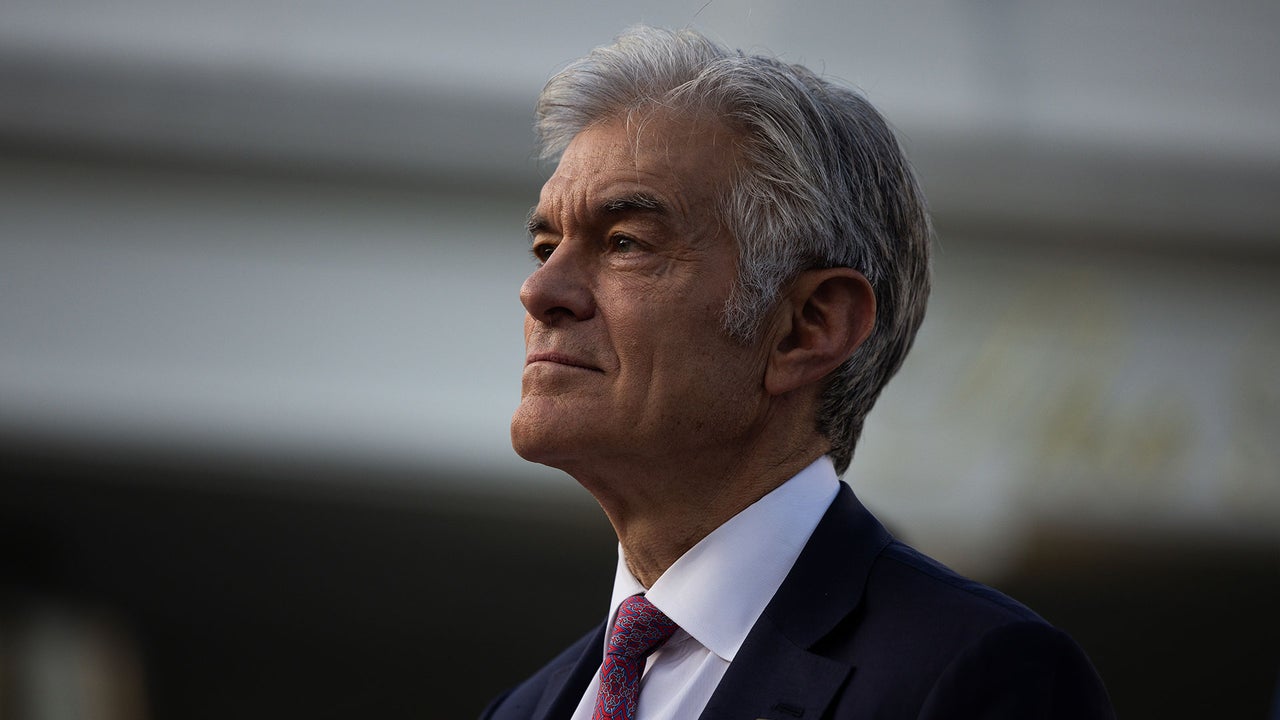
Dr. Mehmet Oz, administrator of the Centers for Medicare and Medicaid Services (CMS), said in a statement on X that the subsidies are ending because insurers no longer needed them. He stated insurers have enough experience pricing Medicare Part D plans that they do not need government assistance.
CMS will publish final 2027 premiums and individual plan details in September, which means beneficiaries will have to wait until then to learn of the coverage cost.