Close Menu
    Facebook X (Twitter) Instagram
    TRENDING :
    • What Is a Commercial Lending Application and How to Complete It?
    • 7 Essential Tools for B2B Sales Support Success
    • 10 Things to Know About When the IRS Does Start Accepting Returns
    • What Is the Best Retail Store Business Model for Your Brand?
    • What Is the Role of Personalization in Customer Experience?
    • Best Free Video Editors: Top 10 Picks
    • New study finds a common supplement ingredient for cognitive enhancement may lead to a shorter lifespan
    • This free service uses Wikipedia to reveal what the world is thinking about
    Compatriot Chronicle
    • Home
    • US Politics
    • World Politics
    • Economy
    • Business
    • Headline News
    Compatriot Chronicle
    Home»Economy»The Dollar Lifeline In War – Currency Swaps
    Economy

    The Dollar Lifeline In War – Currency Swaps

    April 23, 20263 Mins Read
    Share Facebook Twitter Pinterest LinkedIn Tumblr Telegram Email Copy Link
    Follow Us
    Google News Flipboard
    Share
    Facebook Twitter LinkedIn Pinterest Email


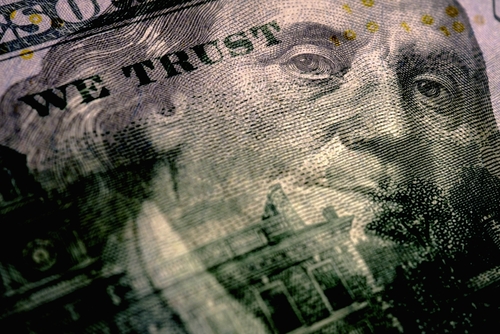
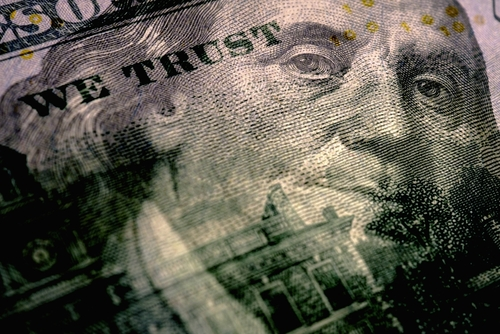
    I have said for years that people misunderstand the global monetary system. It is not driven by trade balances. It is driven by capital flows and access to dollar liquidity. The discussion of a currency swap between the United States and the United Arab Emirates shows how the system actually works under stress.

    The United States is now considering a currency swap with the UAE as tensions around Iran rise. This is not about trade policy. It is about liquidity. When uncertainty increases, capital begins to move. Countries need dollars to stabilize their financial systems and maintain confidence.

    Currency swaps are often presented as technical tools. In reality, they are lifelines. They allow a foreign central bank to access U.S. dollars directly. This bypasses stressed markets and helps prevent a liquidity crisis that could trigger capital flight.

    This is exactly what happens during geopolitical conflict. The Iran situation has raised concerns about the Strait of Hormuz. That region is critical for global energy flows. When energy is threatened, markets react immediately. Currency volatility rises and capital seeks safety.

    The UAE is a strong economy, but it is still exposed. Its currency is pegged to the U.S. dollar, meaning it must maintain sufficient dollar reserves to function properly. When global stress increases, even strong economies seek direct dollar access. That is why a swap line becomes important.

    There is also a geopolitical layer. Currency swaps are tools of influence. When the United States provides dollar liquidity, it reinforces alignment. If access is restricted, countries look for alternatives. That can include increasing use of other currencies like the Chinese yuan. The UAE has stated it would consider using the yuan if the U.S. denies them the opportunity to swap, but the issue has become polarizing.

    “The war in Iran has already cost us dearly,” Sen. Chris Van Hollen, D-Md. Said to Treasury Secretary Bessent. “In addition to lives lost, we’re talking about over a billion dollars a day in taxpayer money, we’re talking about higher gas prices, higher prices overall, and now we understand that the UAE is asking you to provide them a swap line through the Exchange Stabilization Fund.”

    The key point people miss, because this is not about whether a country is rich, it is about whether it has access to dollars when the system comes under stress. This is precisely what I have always explained about currency swaps, because they are not favors or political gestures, they are lifelines, and when a country fears losing dollar inflows, especially one tied to oil exports through a chokepoint like the Strait of Hormuz, it must secure liquidity or risk instability in its currency, its banking system, and ultimately its entire economy.

    This is also where many misunderstand de-dollarization. The world is not abandoning the dollar. It is trying to create options as nations want flexibility as geopolitical risks rise. Currency swaps are central to that process because they determine access to liquidity.

    Confidence drives markets. When confidence falls, capital moves quickly. Without liquidity, currencies weaken, and systems come under pressure. Governments respond with tools like currency swaps to restore stability.

    The fact that this swap is being considered tells you pressure is already building. These agreements are not routine. They are signals that policymakers expect volatility and a continued crisis.


    Source link

    Share. Facebook Twitter Pinterest LinkedIn Tumblr Email

    Related Posts

    Market Talk – June 12, 2026

    June 12, 2026

    STUDENT DISCOUNT NOW AVAILABLE! | Armstrong Economics

    June 12, 2026

    Bill Gates Invests In Lab-Grown Baby Formula

    June 12, 2026
    Top News

    The Penny, the most-reproduced artwork ever, is officially out of production

    By Staff WriterNovember 13, 2025

    Your pennies are now collector’s items. The last penny was minted Wednesday at the U.S.…

    My employee was upset I told him to drive, not fly, for business travel

    February 7, 2026

    Google parent Alphabet predicts a sharp surge in 2026 capital spending on AI

    February 4, 2026

    Armageddon, Iran War & Why Peace Is Impossible

    March 25, 2026
    Top Trending

    What Is a Commercial Lending Application and How to Complete It?

    By Staff WriterJune 14, 2026

    A commercial lending application is your formal request for financing, detailing the…

    7 Essential Tools for B2B Sales Support Success

    By Staff WriterJune 14, 2026

    To boost your B2B sales support, you need the right tools. Start…

    10 Things to Know About When the IRS Does Start Accepting Returns

    By Staff WriterJune 13, 2026

    In regard to tax season, knowing when the IRS starts accepting returns…

    Categories
    • Business
    • Economy
    • Headline News
    • Top News
    • US Politics
    • World Politics
    About us

    The Populist Bulletin serves as a beacon for the populist movement, which champions the interests of ordinary citizens over the agendas of the powerful and entrenched elitists. Rooted in the belief that the voices of everyday workers, families, and communities are often drowned out by powerful people and institutions, it delivers straightforward, unfiltered, compelling, relatable stories that resonate with the values of the American public.

    The Populist Bulletin was founded with a fervent commitment to inform, inspire, empower and spark meaningful conversations about the economy, business, politics, inequality, government accountability and overreach, globalization, and the preservation of American cultural heritage.

    The site offers a dynamic mix of investigative journalism, opinion editorials, and viral content that amplify populist sentiments and deliver stories that echo the concerns of everyday Americans while boldly challenging mainstream narratives that serve the privileged few.

    Top Picks

    What Is a Commercial Lending Application and How to Complete It?

    June 14, 2026

    7 Essential Tools for B2B Sales Support Success

    June 14, 2026

    10 Things to Know About When the IRS Does Start Accepting Returns

    June 13, 2026
    Categories
    • Business
    • Economy
    • Headline News
    • Top News
    • US Politics
    • World Politics
    Copyright © 2025 Populist Bulletin. All Rights Reserved.

    Type above and press Enter to search. Press Esc to cancel.