
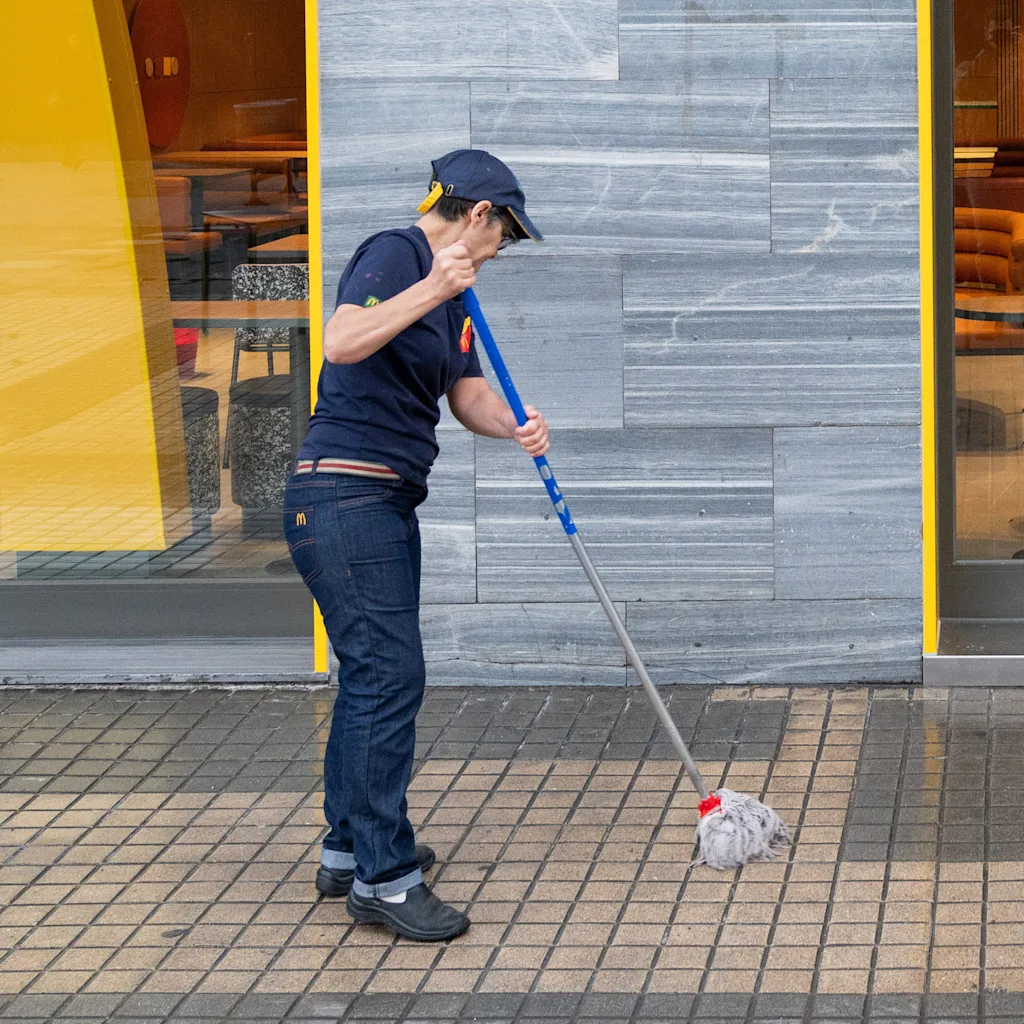
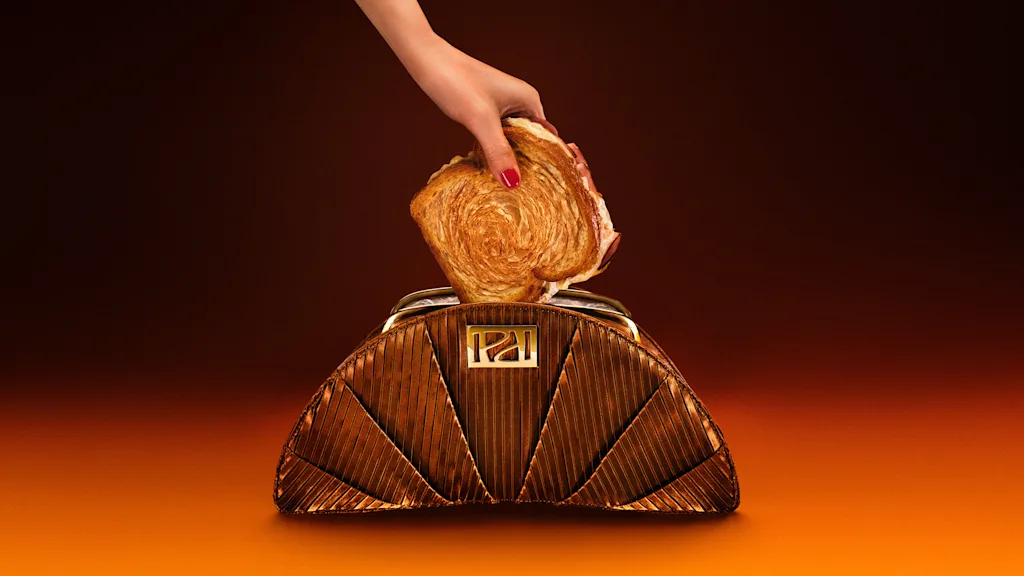
You’ve probably seen them: clutch purses designed to look like croissants, anime-inspired hot sauce gear, purposefully ketchup-stained shirts, and even fried chicken perfumes. It seems like many of our favorite food brands are betting on merch, with surprisingly effective results.
While some might see these as stunts or a new revenue play, it’s more meaningfully a reflection of cultural and consumer shifts. Consumers today aren’t just eating at these restaurants, they’re fans of the brands themselves. Chain restaurants like Waffle House, Applebee’s, or Cracker Barrel occupy a unique emotional space. Just as people support sports teams, they express fandom for these cultural icons.
And their proud embrace of brand merch isn’t ironic or an inside joke. Whether it’s through TikTok-famous denim “McMerch” or retro restaurant lampshades, brands are making genuine connections.
There’s a strong element of nostalgia driving this. Research of Gen Z, millennials and Gen-X reveal high levels of historical nostalgia compared with baby boomers and the silent generation. For fast casuals, this leads to people celebrating the brands they grew up with; ones that feel like part of their personal and cultural history. But social media plays a role here as well—turning consumers into more than customers, but advocates and extensions of the brand. Branded apparel like shirts, hats, or hoodies become a vehicle for that expression. Aligning with a beloved restaurant can feel like joining a community, and social media amplifies that connection.
In our current times of economic uncertainty, brand advocacy becomes even more valuable. That’s why fast casual apparel and other collaborations can help maintain visibility, attract new audiences, and reinforce loyalty; smart plays if done thoughtfully.
Brands worth wearing
Today’s fast casual chains face mixed economic realities. Some brands are thriving; others are struggling under macroeconomic pressure. Young and lower-income consumers, for example, are spending less at chain restaurants, likely due to tighter budgets. When forced to choose between dining out and cooking at home, many opt for the latter.
But these iconic restaurant brands are also having a cultural moment. We now live in a “post-ironic” world. In the 1990s, wearing fast-food or diner merch might’ve been tongue-in-cheek. Today, it’s a genuine cultural statement. People are earnestly celebrating brands that once might have been considered lowbrow. This reflects a larger postmodern blending of “high” and “low” culture, where Michelin-star restaurants serve burgers, and cultural hierarchies have softened. Consumers see authenticity and nostalgia as valuable, not kitsch.
Adding to that, these brands now have the ability to reach audiences in new ways: digitally and socially, creating activation opportunities far beyond traditional marketing. Together, this creates a climate where, suddenly, people are not only open to wearing their favorite food brands, they crave it. And while the initial impact for brands can be more revenue, its real value lies in brand building, deepening affinity, and strengthening the relationship between brands and their audiences.
What food fandom craves
While demand is up, adding a logo to a hat or shirt isn’t enough. Instead, creating the right opportunity means translating the brand experience into something people genuinely want to live with; something that both celebrates what makes the brand itself and taps into what’s happening in culture. The goal is to take the rituals, emotions, humor, or nostalgia tied to the brand and express them through products that feel culturally current, functional, or stylish enough to belong in people’s real lives.
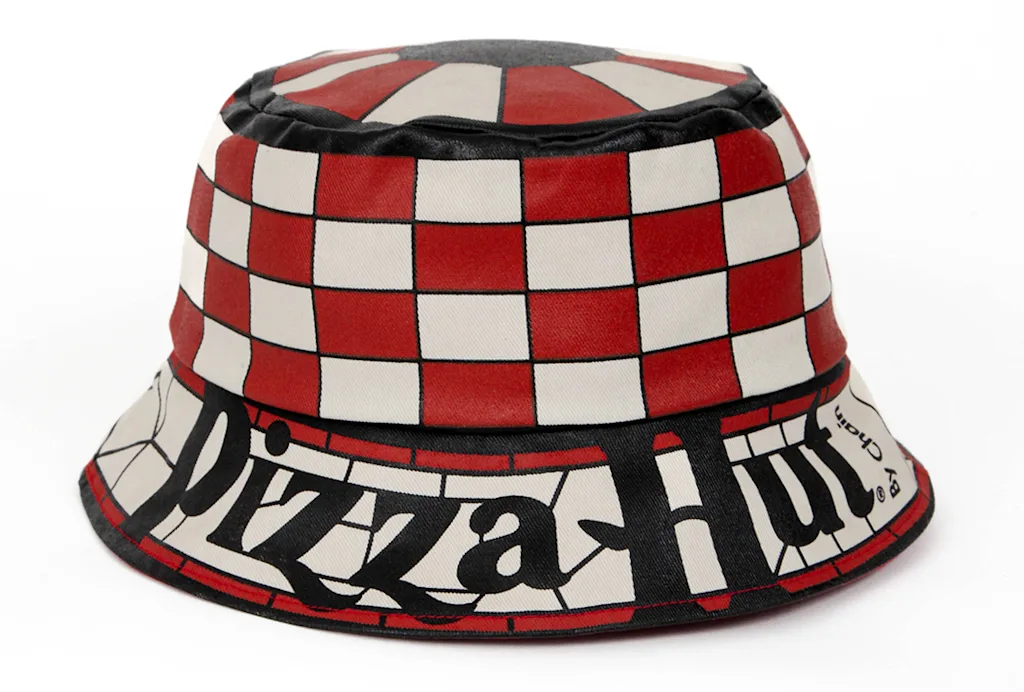
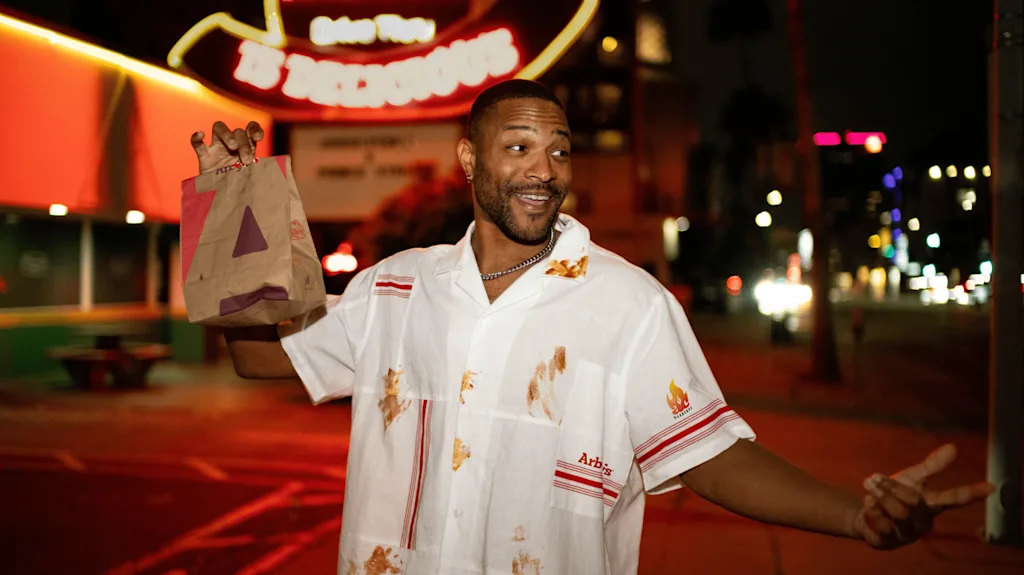
Take Arby’s “13 Hour Drip Fit,” a recent project where we collaborated to transform a familiar part of the Arby’s experience—the messy joy of eating barbecue—into a wearable cultural moment. The napkin-made clothing line was playful, self-aware, and unmistakably Arby’s, while also speaking to fashion’s fascination with absurdity and craft. Other ideas, like the Pizza Hut–inspired “Hut Hat,” work because they tap into a universally recognizable brand experience—the lights over the tables—while aligning with culture’s embrace of bold, nostalgic statement pieces that feel both fun and genuinely wearable.
As importantly, when executed well, these types of collaborations generate buzz, encourage social sharing, and attract influencers organically. Our “13 Hour Drip Fit” spread everywhere from The Late Show with Stephen Colbert to the media to TikTok, earning valuable organic reach in the process. In these instances, success isn’t just measured by sellouts but by cultural resonance and conversation.
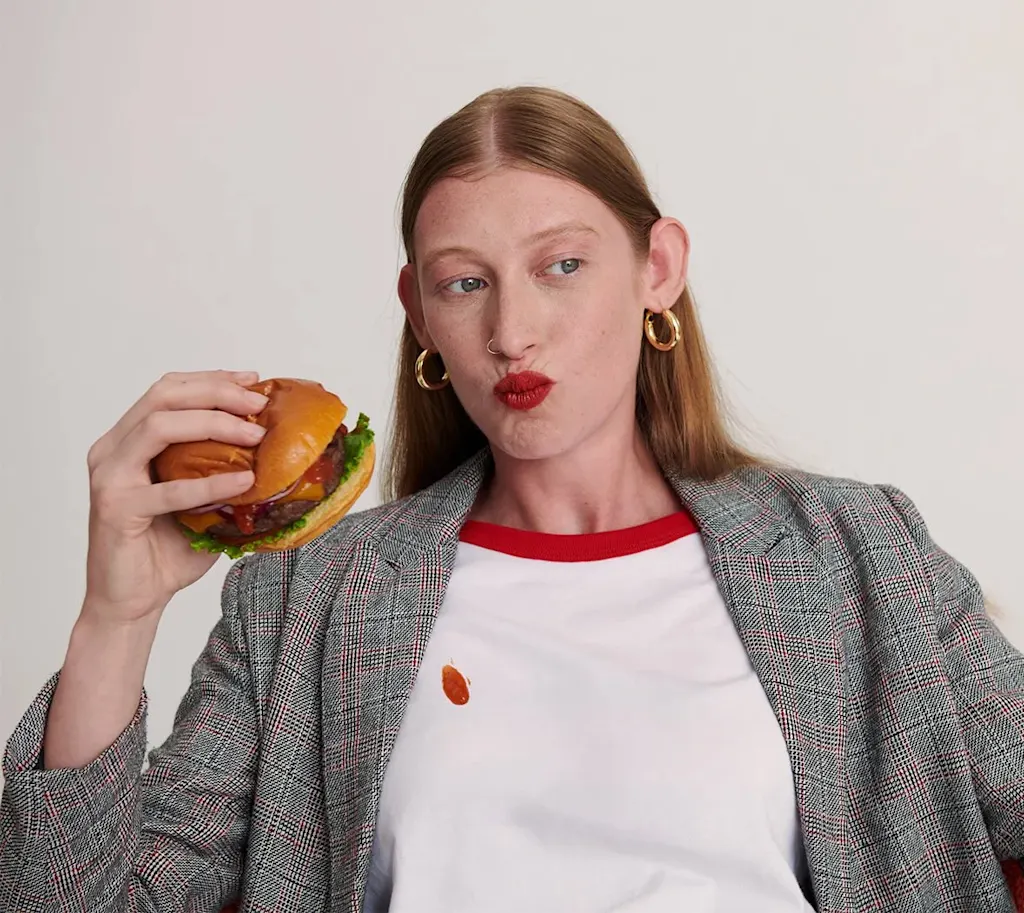
Of course, when stepping outside the norms of fast casual marketing, there’s always a danger in overdoing things. Brands that chase trends or follow others risk appearing derivative. But playing it too safe leads to stagnation, and fast casuals can’t afford to rely solely on traditional pricing tactics to serve their hungry fandom. It’s those brands ready to create products that surprise and delight audiences that will spark the type of cultural conversation that will expand their reach.